
Stay connected before departure.
As missionaries move through agency training, support raising, and preparation, we can establish a check-in rhythm, pray with them, and keep relational support around the long road to deployment.
Long-term missions asks a lot of the people who go. New cultures, unfamiliar systems, distance from family, spiritual pressure, transition, and ordinary life far from home can all carry real weight.
Generation Echo wants the people we help mobilize to know that being sent does not mean being forgotten.
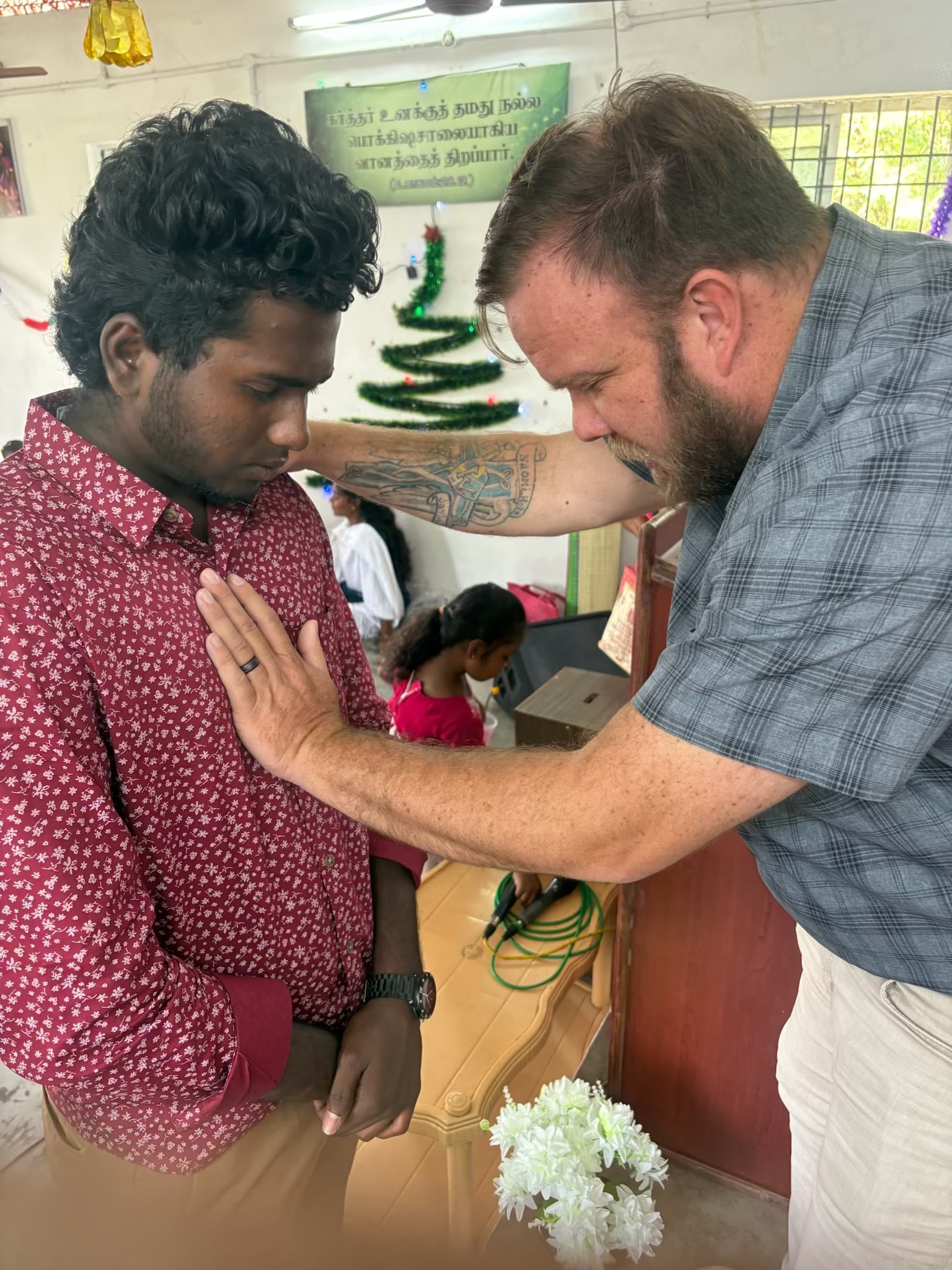
For Generation Echo, care is not simply a hotline for emergencies. It begins when someone is moving through a long-term sending pathway and we establish a real relational connection with them.
That means checking in, praying, listening, encouraging, and staying aware of the human being behind the missionary role. If a larger need emerges, that existing relationship gives us a better chance to notice it and help connect the right people.
The needs change as someone moves from preparation to field life and through major transitions. The relationship should be able to change with them.
As missionaries move through agency training, support raising, and preparation, we can establish a check-in rhythm, pray with them, and keep relational support around the long road to deployment.
Regular check-ins create space to celebrate what God is doing, talk honestly about challenges, hear prayer needs, and remind missionaries that people back home still see and care for them.
Moves, home assignments, unexpected interruptions, and reentry can carry their own weight. Care should not disappear simply because the missionary's location or assignment changes.
Healthy missionary care is shared. A sending organization, local church, field leadership, family, trusted friends, mentors, and professional support can each play different roles.
Generation Echo adds another intentional relational connection to that network. We do not want to replace healthy support structures. We want to strengthen them.
Care does not have to become a complicated program. The goal is consistency, relationship, and knowing when to bring other people in.
Intentional conversations at an agreed rhythm so missionaries have space to talk about life, ministry, transition, and what they are carrying personally.
Listening to current prayer needs, remembering important seasons, celebrating milestones, and offering spiritual encouragement without reducing the relationship to ministry reports.
When a missionary needs something outside our role, we can help communicate, advocate, or connect them with a church, agency, professional, or other appropriate resource.
When needs arise and resources are available, Generation Echo may be able to help coordinate practical or emergency support alongside the missionary's existing sending and care network.
Generation Echo is not a replacement for a sending agency, local church, physician, counselor, or licensed mental health professional.
Good care does not mean trying to become everything for someone. It means staying relationally present, recognizing when a need goes beyond our role, and helping a missionary reach the people best equipped to serve them.
We are building Care around sustainable relationships, not around promises we cannot keep.
Our primary Care focus is missionaries connected to the Generation Echo journey who are in formal pre-field preparation for long-term unreached service or are already serving through a recognized sending organization or trusted structure.
The rhythm can differ by person and season. The important part is that there is an agreed, intentional pattern rather than waiting until a crisis happens before reconnecting.
Generation Echo provides relational and spiritual care, but we do not present ourselves as licensed mental health care. When specialized help is needed, we want to help missionaries connect with qualified professionals and the appropriate care resources available through their church or sending organization.
Yes. Financial partnership helps Generation Echo maintain the relationships, communication, travel, systems, and ministry capacity required to stay connected with missionaries for the long haul.
Your partnership helps Generation Echo build the capacity to stay connected with missionaries through preparation, deployment, field service, and major transitions.
We want the people who say yes to long-term missions among the unreached to know that the relationship does not end when they leave.